

As the holidays approach, it’s time to prioritize self-care and self-healing. These practices play a crucial role in our lives, supporting our overall physical and mental well-being. In our hectic daily routine, we often neglect them, so let’s utilize the tranquil pace of the holiday season to revamp our self-care regime. Here are 20 recommended self-care and self-healing tips to help you relax, rejuvenate, and recharge.
1. Digital Detox
In a world where our screens dominate our lives, switching them off can be the greatest gift to yourself. Dedicate time each day for this digital detox.
Allow your mind the peaceful solace away from the constant notifications, calls, emails, and updates. Let your thoughts wander. Use this time to connect with nature or have some laughs with your family and friends, enhancing mental and emotional well-being.
2. Mindful Meditation
Meditation isn’t just an act; it’s a journey toward the tranquil nooks of your mind, exploring your thoughts and emotions in a state of calm acceptance. It’s a brilliant exercise to handle stress and anxiety.
Carve out a quiet corner at home, set a time of peace, and let your mind and body sync in the rhythm of your breath. This mindful way of steering your thoughts can ultimately strengthen your mental processes and emotional intelligence.
3. Regular Breaks
Working with constant focus can be mentally exhausting. Regular breaks can prevent decision fatigue and boost creativity. They act as a reset, providing a fresh viewpoint when you return to work. You can walk, read a book, listen to music, or sit and take a few deep breaths. They’re all quick ways to refresh your mind, ready to dive back into work.
This brings us to the 22/8 guided-self coaching technique’, which can counteract this. What’s this technique? It’s 22 minutes of focused, deep work devoid of distractions, followed by an 8-minute break to relax and reflect. The pause allows you to rejuvenate and mindfully evaluate your performance, fostering continual improvement. To give this balancing act a shot, download the 22/8 field kit to guide you.
4. Aromatherapy
A whiff of soothing aroma can be your quickest escape to serenity. Essential oils have proven effects on the limbic system, the part of your brain that plays a significant role in controlling mood.
Choose a scent you prefer, like lavender, rose, lemon, or ylang-ylang, and let your space get filled with a calming scent. Not only does it promote relaxation, but it also aids in reducing headaches and better sleep quality.
5. Healthy Diet
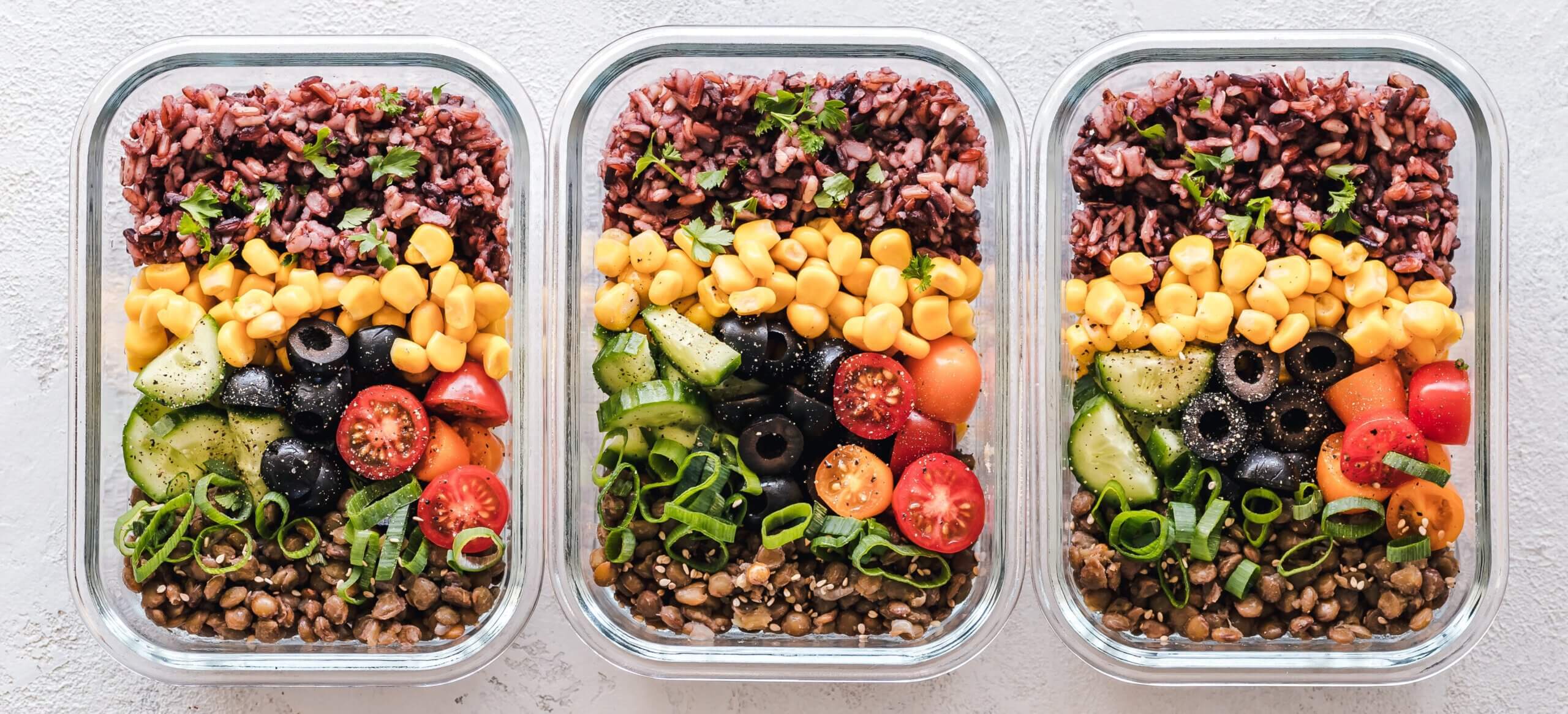
Imagine your body as a finely-tuned car; it needs top-quality fuel to function optimally. A balanced diet goes a long way in ensuring overall health.
Incorporate various elements from all food groups – proteins for body repair, carbohydrates for energy, fats for insulation, vitamins and minerals for the immune system, and dietary fiber for optimal digestion. Consciously choose your food. Colorful veggies, leafy greens, lean proteins, nuts, berries would bring not just a platter of nutrition but also fine health to cherish.
Interestingly, a study titled “Is work engagement associated with healthier dietary patterns?” found that those more engaged at work tend to maintain healthier diets, highlighting the importance of good nutrition for both our physical health and work productivity. So, even during the holiday season, strive to keep a balanced diet for optimal health and energy.”
6. Exercise
Physical activity is an immediate mood boost. It initiates a surge of endorphins – the ‘feel-good hormones.’ You can incorporate simple exercises into your daily routine. A dance-off with your kids, yoga at dawn, a jog around the park, even gardening or house chores can get you moving.
Stay persistent and consistent. Slowly, physical activity will be more than just a regimen; it will become a journey towards increased strength, improved mood, better sleep, and enhanced overall health.
7. Hydrate
Water is the lifeline of our body’s functions – a primary component of saliva, a vital element for digestion, absorption, circulation, creation of saliva, and maintaining optimal body temperature.
Dehydration can sap your energy, reduce your blood volume, and cause uncomfortable symptoms like thirst, less elasticity in the skin, fainting, and much more. Aim to drink between 8-10 glasses of water daily, and more if you are physically active.
8. Quality Sleep

Sound sleep is vital for our body’s repair and rejuvenation. While we sleep, our bodies are quite busy. During this time, we recover, restore, and regenerate.
A night of good sleep sets the proper pace for our circadian rhythm (the internal body clock), helping us feel refreshed and alert in the morning. Strive for a consistent sleep schedule and a conducive sleep environment.
9. Journaling
Journaling is like having a conversation with your inner self. It’s a profound exercise of introspection and self-exploration. It’s a safe space to manifest your dreams, delve into your fears, celebrate your victories, and learn from your mistakes.
Penning thoughts and feelings on paper can be extremely therapeutic. It can help reduce stress, solve problems more effectively and can even improve your overall coping skills.
10. Reading
Books are gateways to diverse realms – opening doors to knowledge, embarking on adventures, a whirlwind of emotions, all from the comfort of your chair. Bibliotherapy can help reduce feelings of depression and can elicit the same types of feelings that would be expected from music or laughter.
Choose a genre you love or experiment with new kinds for an exciting literary journey that’s entertaining and rewarding.
11. Express Gratitude
Gratitude, a seemingly simple practice, truly goes a long way. Acknowledging the good in life with a morning smile, a heartfelt compliment, or a thank-you note contributes to better overall health, sounder sleep, and reduced anxiety and depression. The impact goes beyond individual well-being, it fosters a happier and healthier work environment, enhancing employee relationships and promoting a positive work culture.
The health of an employee doesn’t just affect their personal lives, but also makes a significant difference in their professional lives. It has a direct impact on business success. Healthy employees tend to be more productive, engaged, and take fewer sick days. In a nutshell, the practice of expressing gratitude can improve employee health and thus, business outcomes, creating a harmonious and effective work environment.
12. Listen to Music
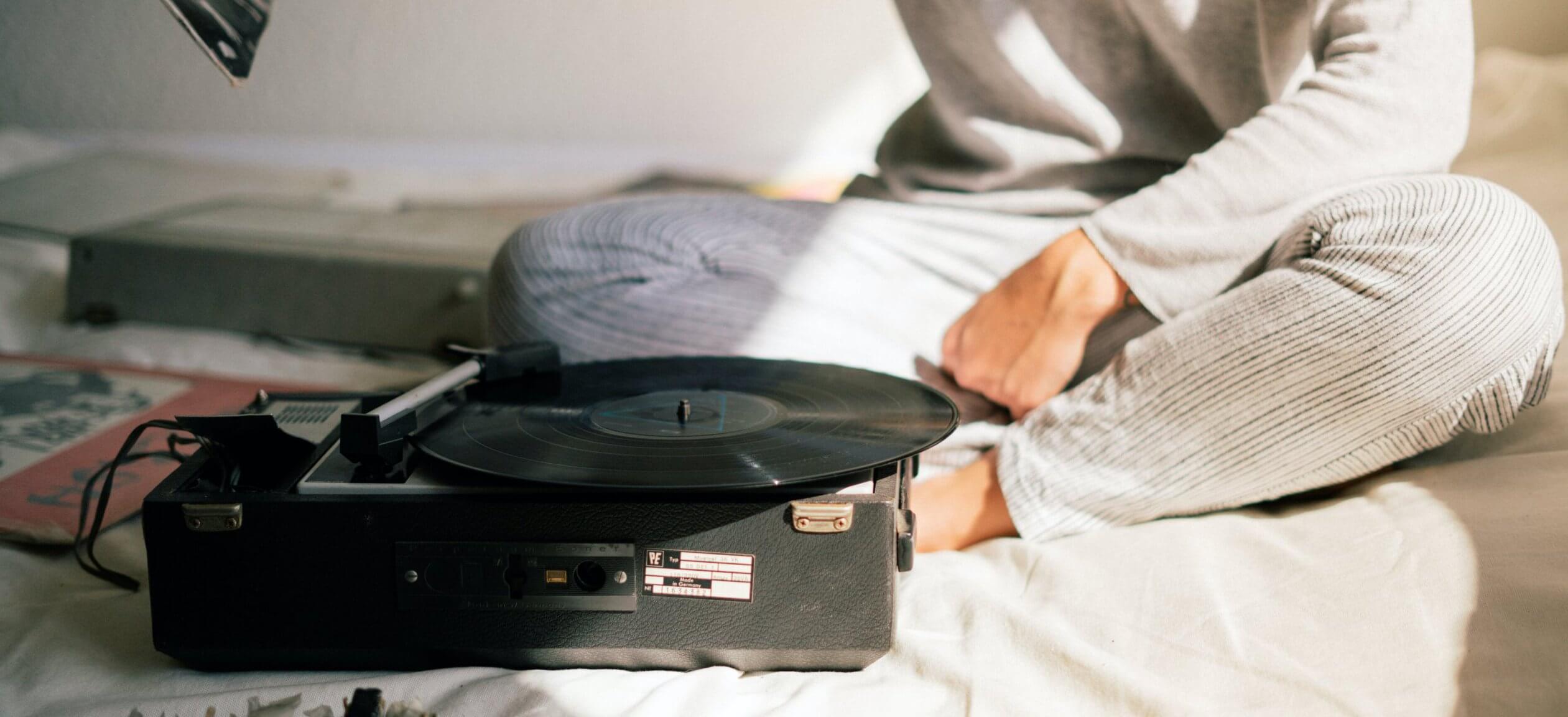
Music can be an excellent stress management tool, reducing feelings of stress, anxiety, and promoting relaxation.
13. Practicing Yoga
Yoga, the harmony of breath, mind and body, is an ancient discipline with countless benefits. It encourages relaxation, improves flexibility, perfects posture, enhances lung capacity, enhances concentration, and promotes overall well-being.
14. Reconnect with Nature

Taking a stroll in nature can be a natural stress-buster. A bit of sunshine, a gentle breeze, or the sight of a beautiful sunset can calm your mind and lift your spirits. This is why getting into nature during your breaks or holidays is excellent.
Exciting research on ‘Biophilic design’ shows that being around natural elements improves our health and happiness. Even though the study looked at how we can use nature in building design, it tells us that simply being close to our heart can make us feel better.
15. Engage in a Hobby
A hobby is something you enjoy doing, it could be gardening, playing an instrument, cooking, or even solving puzzles.
The positive feelings from these activities can help lower heart rate and blood pressure, reduce cortisol, and decrease symptoms of depression and anxiety.
16. Social Interactions
Spending time with family or friends can reduce feelings of loneliness and improve mood. Even a single, close relationship can be a reliable buffer against the ill effects of negative stressors.
17. Mindful Breathing
Breathing exercises are a quick, easy, and effective method for reducing stress and tension, clearing the mind, and improving concentration and focus.
18. Self-Massage

With the help of essential oils or massage tools, you can relieve stress, tension and muscle pain. It can also promote blood circulation and improve sleep quality.
Supporting this, a study on Intensive Care Unit nurses found that massage therapy significantly reduced their occupational stress. While this research is specific to a high-stress profession, it underscores the potential benefits of self-massage for stress relief, making it a valuable self-care strategy for anyone during the busy holiday season.
19. Laughter
Laughter releases endorphins, our body’s feel-good chemicals, and can result in a general sense of well-being.
Incorporate more laughter into your day by enjoying a funny movie or TV show, catching up with a friend who brings a smile to your face, or even doing laughter yoga.
20. Set Personal Boundaries This Holiday Season
Defining personal boundaries is vital for maintaining physical, emotional, and mental well-being.
Whether it’s managing your time better around the house or learning to say ‘no’ at work, setting boundaries improves self-esteem, promotes mental health, and ultimately leads to a happier and healthier life.
As we wrap up, remember that self-care and self-healing are not just about pampering yourself but about taking care of your overall well-being. The holiday season is a perfect time to slow down, reflect, and focus on your health and happiness. These 20 tips are not just for the holidays but for life. Incorporate them into your daily routine and see the difference they make. Remember, taking care of yourself is not a luxury, it’s a necessity.
If you want more guidance and to boost your or your team’s performance, consider contacting us. Our team of experts can provide personalized coaching to help you achieve your goals.
So, this holiday season, gift yourself the joy of self-care and start the New Year on a positive, healthy note with Impro. Happy Holidays!